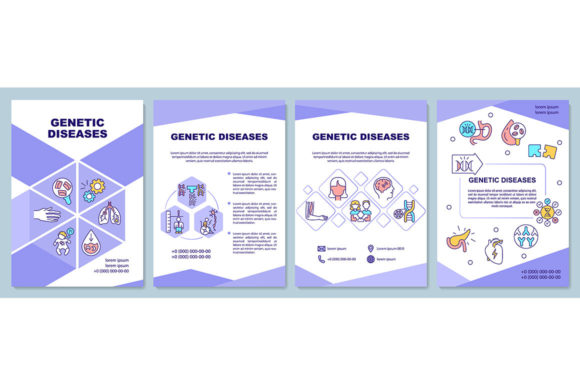
Genetic Diseases Brochure Template
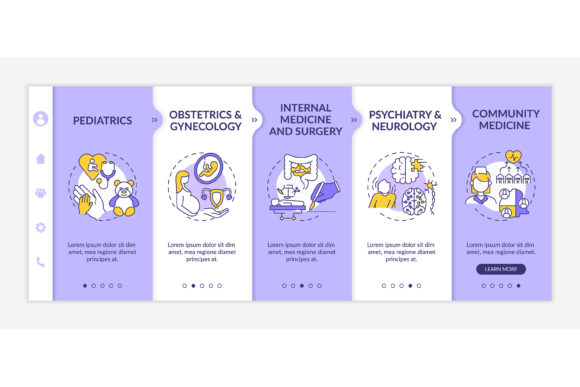
The Genetic Diseases Brochure Template offers a clean, professional look that could work well in certain embroidery projects. Its vector-based design and linear icons suggest a modern, medical theme that may appeal to specific audiences. However, its suitability for embroidery depends on how it translates from digital layout to stitched fabric.
First Impressions: A Design That Speaks to Medical Themes
From the first glance, the Genetic Diseases Brochure Template feels structured and informative. The use of linear icons and minimalistic layouts suggests a focus on clarity and professionalism. This makes it ideal for designs that need to convey complex information in a straightforward way. However, the template's visual personality leans more toward print media than embroidered textiles, which can be a challenge when translating it into stitchable formats.
The design’s emphasis on typography and clean lines means it might not translate well to intricate embroidery patterns. If used on custom apparel or personalized gifts, the design may appear too static or overly formal for casual applications.
Real-Life Use: How It Works in Embroidery Projects
When considering the Genetic Diseases Brochure Template for an embroidery project, such as a custom tote bag design or sweatshirt embroidery, the first thing to note is that the design is not optimized for stitching. Its layout is more suited for printed materials like flyers or booklets, rather than embroidered patches or apparel. For instance, if you're creating a baby item with this design, the fine details may get lost in the stitching process.
For a handmade product like a pillow cover or kitchen towel, the template could work if simplified. However, the intricate elements—such as small text or detailed icons—may require careful planning to ensure they remain visible after stitching. In commercial embroidery settings, the design might be better suited for larger, bolder applications where the details don’t get lost in the fabric texture.
Where to Be Careful: Limitations in Embroidery Applications
There are several areas where the Genetic Diseases Brochure Template may not perform well. Small hoop sizes, for example, could limit the ability to stitch the full design without breaking it into sections. This is especially true if the design includes dense areas or tiny lettering.
Textured fabrics, thin materials, or stretchy garments may also pose challenges. The design’s linear style might not hold up well on dark fabrics, where thread color contrast is crucial. Additionally, curved surfaces like caps or hats may distort the design if not properly adjusted for the shape.
For products that require frequent washing, such as baby clothes or aprons, the design’s stitch density and stabilizer use become even more important. Without proper support, the embroidery could pucker or fade over time.
Visual Appeal and Customer Perception
The Genetic Diseases Brochure Template has a strong visual identity that could enhance the professionalism of a finished product. When used correctly, it can add a sense of credibility and sophistication to handmade items or boutique merchandise. However, if the embroidery doesn’t match the design’s original intent, it may come across as unbalanced or unrefined.
Customers who receive a personalized gift or custom apparel with this design may appreciate its clean aesthetic, but they may also expect a higher level of detail. If the embroidery lacks clarity or appears too simple, it could affect their perception of the product’s value and craftsmanship.
Practical Notes for Embroidery Designers
If you’re considering using the Genetic Diseases Brochure Template in your next embroidery project, there are several practical steps to take. First, test the design on scrap fabric to see how it looks in different thread colors and fabric textures. This will help you determine whether the design needs adjustments before finalizing it for a client or sale.
Check the stitch density to ensure it’s appropriate for the fabric type. Too much density can cause puckering, while too little may result in a weak appearance. Confirm the hoop size required for the design and make sure it matches your embroidery machine’s capabilities.
Inspect small details like corners and lettering to ensure they remain visible after stitching. Test the design in black and white mockups to see how it looks on both light and dark backgrounds. Using the right stabilizer is also essential, especially for delicate or stretchy fabrics.
Best Fit: When to Use the Genetic Diseases Brochure Template
The Genetic Diseases Brochure Template is best suited for projects that emphasize clarity and professionalism. It could work well for commercial embroidery projects, such as branded apparel for medical offices or educational institutions. For a craft business, it might be useful for printable mockups or digital product previews, where the design’s structure can be maintained without the limitations of stitching.
If you’re an Etsy seller or small shop owner looking for unique design assets, this template could serve as a starting point for custom embroidery projects. However, it may require modifications to suit the specific needs of your audience and product type.
Final Thoughts: A Template with Potential, But Not a Perfect Fit
The Genetic Diseases Brochure Template has a strong visual foundation, but its effectiveness in embroidery depends on how it’s adapted. While it may not be ideal for every project, it can still be a valuable resource for designers looking to create professional-looking embroidery files for specific applications.
As with any digital design, it’s important to test, adjust, and consider the end-use before finalizing a project. Whether you’re working on a custom apparel piece, a personalized gift, or a commercial embroidery order, the Genetic Diseases Brochure Template offers a starting point—but not a complete solution.